Powell River Top General Contractor for Professional Remodeling
Powell River Top General Contractor for Professional Remodeling
Blog Article
General Contractor: Your Primary Professional for Home Work
A general contractor holds an essential position in building projects. They handle numerous facets of building operations, ensuring that all work proceeds smoothly. Their expertise of building codes and standards allows them to navigate the challenges of authorizations and inspections. This expert represents an important link between homeowners and subcontractors. However, many homeowners remain confused about the breadth of their services. Grasping these points can greatly impact the accomplishment of any renovation project.
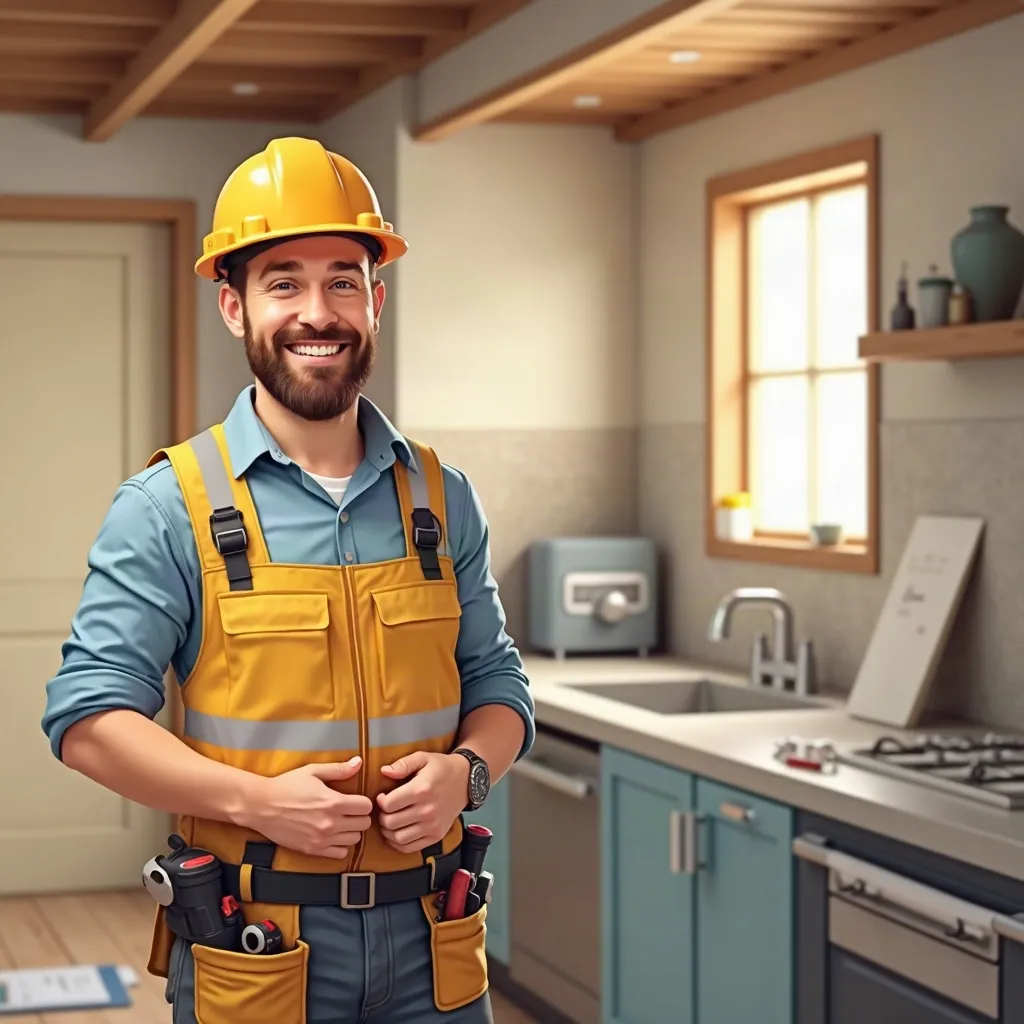
What Does a General Contractor Handle?
A general contractor manages the various elements of a construction project, ensuring that everything runs smoothly from initiation to completion. They serve as the chief communication hub, handling communication between clients, trade contractors, and suppliers. This responsibility encompasses structuring the project timeline, supervising labor, and ensuring compliance with area construction rules and regulations.
General contractors are in charge of obtaining necessary permits and scheduling inspections, which are vital for upholding safety and quality benchmarks. They also manage budget planning, material procurement, and overseeing site operations to prevent any possible setbacks or complications. In addition, they supervise subcontractors, ensuring that each phase of construction conforms to project specifications and timelines. Overall, a general contractor's expertise and organizational skills are essential to completing a successful construction project, transforming a client's vision into reality while balancing multiple tasks and responsibilities.
Using a skilled builder for home renovations provides numerous advantages that can substantially enhance the efficiency and quality of the project. Experienced contractors deliver expertise in project management, guaranteeing timelines are met and resources are allocated efficiently. Their strong relationships with trade specialists can produce better complete article pricing and excellent quality, which ultimately saves homeowners time and money.
Furthermore, general contractors address the complex elements of permits and inspections, limiting conceivable compliance concerns. They also deliver a one main contact, simplifying interaction and management among various trades. This consolidation reduces the probability of errors and postponements.
Moreover, their experience permits them to predict potential challenges, enabling proactive solutions to maintain the project on track. By retaining a general contractor, homeowners can focus on their vision while enjoying peace of mind, knowing that a professional is overseeing every aspect of the renovation.
Clearing Up Myths Regarding Construction Professionals
While many homeowners may hold false beliefs about contracting professionals, understanding the realities can lead to more educated decisions. One prevalent myth is that hiring a contractor is not needed for minor projects; however, their skills can streamline even small-scale renovations, ensuring compliance with local codes. Another common belief is that contractors are merely middlemen, but they often possess broad knowledge in multiple areas, enabling them to manage projects efficiently. Additionally, some homeowners think that working with a contractor will significantly increase costs. In truth, a professional contractor can often secure better pricing for materials and labor due to established relationships with vendors and subcontractors. Finally, many believe that general contractors are inflexible, but reputable contractors prioritize client communication and collaborate closely to meet individual needs. Cleared up myths can empower homeowners to leverage the true value of general contractors in achieving successful home projects.
How to Pick the Right General Contractor?
How can homeowners guarantee they choose the right construction professional for their projects? The process begins with comprehensive investigation. Homeowners should seek recommendations from friends, family, and online reviews to find potential candidates. Once a compilation is created, confirming credentials, such as licensing, bonding, and insurance, is crucial to confirm legitimacy.
Next, homeowners should request and review portfolios of previous work, focusing on projects similar in scope. Setting up interviews allows property owners to determine suitability, discussing timelines, budgets, and expectations. It's also advisable to obtain multiple quotes for contrast, delivering a clear understanding of costs.
Examining references offers understanding of a contractor's competence and integrity. Ultimately, following your intuition is essential; an first consultation can expose a contractor's way of communicating and methodology. By following these steps, homeowners can substantially improve their likelihood of picking a general contractor who suits their objectives and goals.
Powerful Messaging Tactics For Working Alongside Your General Contractor
Which techniques can homeowners implement to secure effective dialogue with their general contractor? Creating direct engagement from the beginning is essential. Homeowners should clearly express their requirements, project objectives, and spending restrictions during opening conversations. Consistent information can be enabled through scheduled meetings, guaranteeing that both parties remain synchronized throughout the project.
Using documented records, such as email correspondence and project documentation, helps strengthen spoken commitments and reduces confusion. Homeowners should also promote open dialogue by soliciting input and inquiries from the contractor, fostering a collaborative environment.
In addition, tapping into technological tools, such as project management apps, can improve communication by supplying a core platform for communicating updates, timelines, and changes. Finally, being considerate and welcoming can elevate rapport, allowing it easier for the contractor to articulate challenges or suggestions effectively. By utilizing these solutions, homeowners can create a productive and forthright relationship with their general contractor.
What You Should Know When Your Initiative Gets Underway?
As the work commences, homeowners can look forward to a rush of activity on-site. The general contractor will manage teams of skilled tradespeople, along with electricians, plumbers, and carpenters, who will begin their work per the set schedule. Homeowners may witness heavy machinery and materials being delivered, fostering a bustling feel.
Clear dialogue is vital during this stage. The contractor will communicate progress updates and resolve any issues that surface. Homeowners should ready themselves for potential interruptions, such as acoustic disturbances and limited entry to various areas of the home.
Safety safeguards will be in place to shield both workers and residents, ensuring a secure environment. Additionally, homeowners may be encouraged to maintain flexibility, as unanticipated challenges can arise, necessitating adjustments to the original plan. Overall, this initial phase establishes the foundation for the successful completion of the project, and active involvement is essential.
Key Topics for Your Primary Contractor Agreement?
Selecting the proper questions to raise when executing a general contractor agreement is necessary for guaranteeing a successful project. Homeowners should ask about the contractor's certification and coverage to confirm their credentials and protection against liabilities. Understanding the project timeline and targets is significant; therefore, asking about estimated completion dates helps manage expectations.
It is also crucial to clarify payment terms, including deposit amounts and payment schedules, to prevent confusion. Homeowners should ask for a comprehensive itemization of costs, covering supplies and labor, to ensure transparency. Furthermore, discussing the process for managing modifications or unexpected problems can prevent conflicts down the road.
Lastly, property owners must seek information about the qualifications of subcontractors, as well as the communication approach of the contractor throughout the project. By addressing these questions, homeowners can foster a productive relationship with their primary contractor, ultimately resulting in a successful home project.
Frequently Asked Questions
What Ways Do General Contractors Use to Charge for Their Services?
Contractors generally levy charges via flat fees, hourly pricing, or a share of the complete project budget. Their pricing structure may additionally encompass resources, workforce costs, and overhead, contingent on the project's complexity and scope.
Can a General Contractor Offer Support With Authorizations and Inspections?
Yes, a construction contractor can support obtaining permits and managing inspections. They routinely handle local regulations and confirm adherence, streamlining the process for homeowners while enabling necessary approvals throughout the construction undertaking.
What Competencies Should I Search for in a General Contractor?
When choosing a construction professional, one should consider credentials such as licensing, insurance, expertise with similar work, strong references, and strong communication abilities, guaranteeing they possess the necessary expertise to oversee the project effectively.
What Timeframe Should You Expect for a Standard Home Remodeling Project?
A routine home renovation work can go anywhere from a few weeks to several months, influenced by the extent, complexity, and size of the project, as well as the availability of materials and labor.
What Happens if My Project Exceeds Spending Cap?
If a project goes over budget, the contractor usually talks through the causes and alternatives with the homeowner. Changes may consist of reducing scope, obtaining more funds, or revising the project scope to align with budget constraints.
Report this page